Excellent article here:
https://threadreaderapp.com/thread/1574153946628661249.html
“Variable renewable energy” is milquetoast technical jargon used to differentiate wind and solar from hydro, geothermal, etc.
No one know what it means in the same way they don’t know what a gigawatt is.
That’s it.
For archival purposes...
10,384 views


COPPER. I live near one of the largest copper mines on earth. I helped manage a smaller copper mine for 8 years. Observation: VRE-battery supporters are completely out of touch with the costs and fossil fuel / environmental impacts associated with copper mining & production. /1
COPPER is an essential and limited resource for civilization, dating back to the Bronze age. With the advent of electric power, world demand for copper suddenly became infinite. Butte, MT held the world's most important copper resources. And the whole world came to Butte /2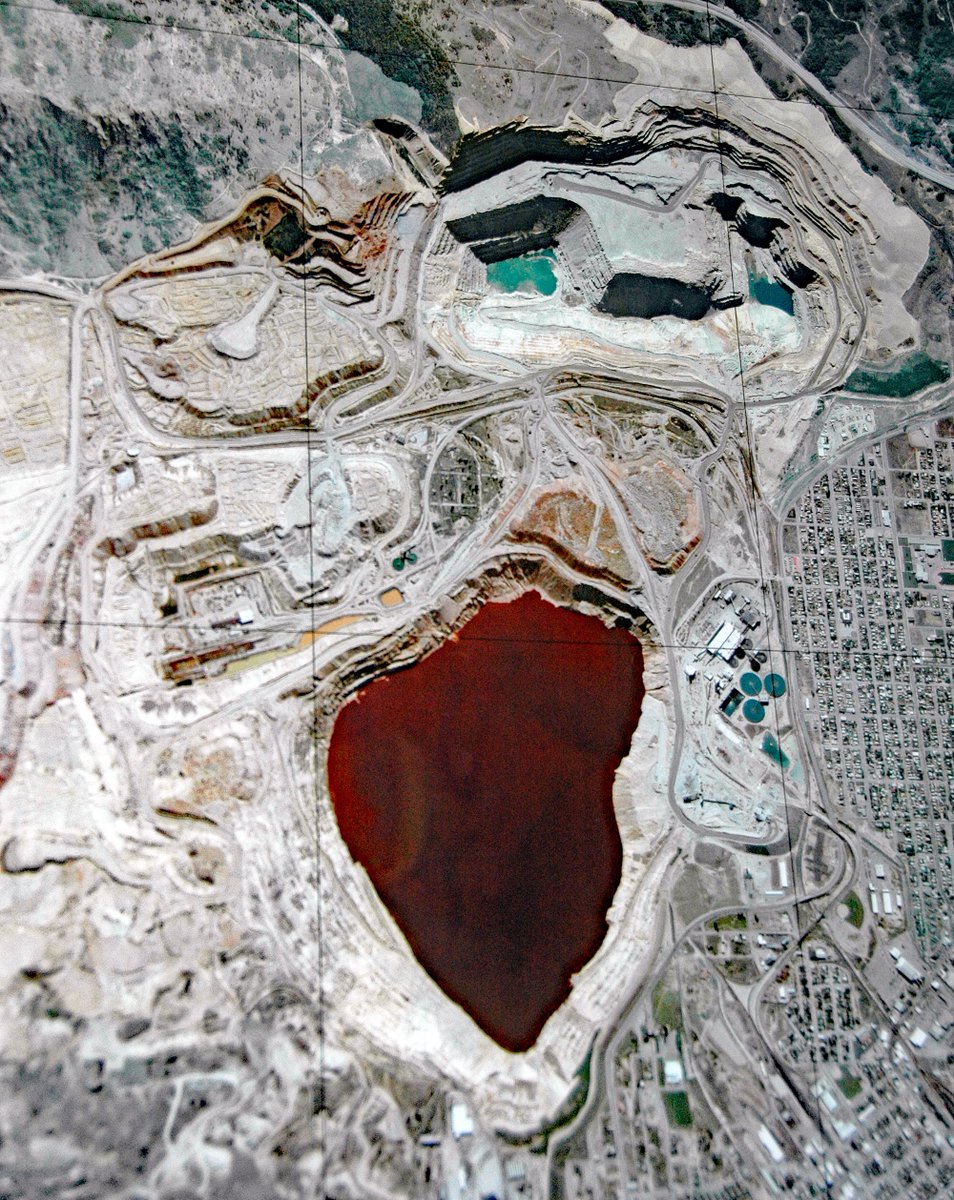
Several lines of my family converged in Butte from as far away as Croatia and North Carolina - to mine copper. My mother was born in Butte. I know a thing or two about it. /3
A 3-MW wind turbine contains up to 4.7 tons of copper. Half is from the cable and wiring, 24% from the turbine/power generation components, 4% from transformers, and 19% from turbine transformers. Onshore wind farms use approximately 7,766 lbs. of copper per MW. /4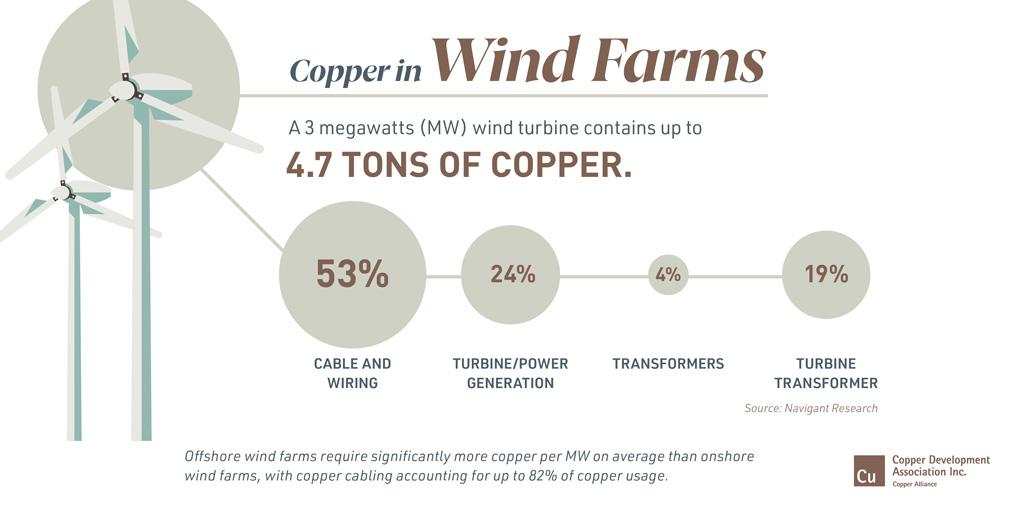
COPPER mining starts with drilling. Blast hole drilling equipment runs on DIESEL fuel. And they burn a lot. In copper mines, fleets of drills run in shifts. The workers and their supervisors and maintenance crews use pick up and larger service trucks. /5
For copper processing, size reduction is essential so typical blasting patterns are small. That means lots and lots of holes through hard rock. It can take weeks or months to drill out a single bench. Tungsten carbide drill bits are essential for economical drilling. /6
And copper mining uses lots of tungsten. The FF/carbon & environmental lifecycle assessment for tungsten oxide production is not pretty. It's mostly made in China, home of hundreds of dependable coal power plants. But without copper, we'd be using wood, tallow, and wale oil. /7
Then comes the fun part: BLASTING. Ammonium Nitrate / Fuel Oil -ANFO- is the primary blasting agent. It's 94% ammonium nitrate with diesel fuel oil. AN is manufactured from methane and requires a great deal of fossil-fuel energy and associated emissions. /8
After blasting, all shot material has to be loaded into haul trucks and moved out of the pit. On average, there is more waste rock than ore. Waste is dumped; ore is loaded into the crusher. It's impossible to quantify the net-net FF and other resources consumed in this step /9
Steel to manufacture the equipment; tires; lubricating oil; grease; fuel; maintenance; batteries; wear steel; and associated transportation, mobilization, and demobilization - 100% consumptive just to pick up and move rock. /10
Then the ore is crushed. The scale of this equipment is hard to describe. The fossil fuel and other inputs that went into this single crusher in one copper mine - and associated CO2 and other impacts - much less the power to run it - are enormous. 20 year life. /11
Next comes milling & grinding. Copper ore is hard and must be milled down to a fine sand. This step consumes vast amounts of electrical energy, which must be 100% reliable, 24/7, so much so that most copper mines operate their own power plants. Coal/gas. /12
After milling and grinding, the ore must be concentrated and tailings floated. At KUC, this requires pumping millions of gallons of water slurry many miles, requiring enormous quantities of dependable electrical energy (coal-gas). /13
The KUC tailings pond enormous. Its construction to date has required moving tens of millions of tons of soil, rock, clay, and cover material. It's an engineered system, requiring the use of tens of millions of tons of processed, washed, screened, and imported sand and gravel /13
It would be impossible to quantify the carbon, fossil fuel, and other impacts associated just with this one tailings impoundment to date, plus future reclamation. /14
Next, the concentrates (24% Cu) are smelted using coal. No other fuel will do. The KUC ore is high in sulfur. Most is removed and converted to acid, but some is released. My kids and I breathe this daily. The carbon / FF used in this step are astronomical. But we aren't done /15
Metal values from the smelter are dissolved in H2SO4 and then plated out in an electrowinning plant. This step consumes vast quantities of dispatchable electrical energy (coal-gas). Carbon impacts are likewise enormous. VRE will NOT work to support copper mining. /16
The end result of the mining process is new cathode copper. I directly challenge analysts calculating lifecycle impacts of VRE to account for the fossil fuel and carbon impacts expended in producing new cathode copper. Every step before cathode is 100% consumptive. /17
Only the best, highest-quality (purity) copper cathode meets the specs for use to make wind turbines. The wire must be rolled thin and long; any imperfections in the cathode result in broken wires. No recycled copper qualifies for use in turbines. It must be virgin. /18
Copper cathode is transported (diesel fuel) to a rod mill, where it is melted in an electric arc furnace and turned into rods and then wire. The EAF requires vast amounts of dispatchable electric energy. Wire is then shipped to the turbine manufacturer. /19
VRE = "milquetoast" for Wind & Solar
COPPER ORE GRADES: Copper is a relatively rare yet essential metal. Sources have driven humanity since prehistoric times (e.g., Iberia and Cornwall). Advanced Roman metallurgy allowed them to flourish. One of my family lines came to Butte, MT from Cornwall - to mine copper /20
Since Roman times, copper ore grades have been decreasing, astronomically so since Edison's and Tesla's inventions electrified the planet. This is a function of the natural occurrence of copper in earth's crust and the cost of extracting it. Commodity economics. /21
way before the bronze age
There are only 23 mines in the USA mining copper. The largest is Kennecott, which has large volumes of low-grade ore. Daniel C. Jackling was the first to figure out how to use large-scale equipment to get the low-grade to pay. Current ore grade reserves at KUC are 0.47%. /22
Why does grade matter? Because the essential inputs and impacts required to extract one pound of copper cathode go up as grade decreases. Today's ore was yesterday's waste rock. BTW, Jackling's breakthrough? The coal-powered steam shovel. /23
BHP, the world’s third largest copper producer, estimated that grade decline could remove about 2 million metric tons per year (mt/y) of refined copper supply by 2030, with resource depletion potentially removing an additional 1.5 million to 2.25 million mt/y by this date. /24
It's hard to describe the internal amusement I experience every time a Wind/Solar/Battery advocate lectures me about the imminent depletion of uranium and thorium fuel or the contention that nuclear energy is "not renewable." Windmills Forever! /25
The World's large porphyry copper deposits are all known and most have been depleted or are nearing depletion. The extraction process is the same as Kennecott. Lowering ore grades explain the vast impact footprints (Peru depicted). /26
ALL of the copper mined on earth prior to the advent of wind/solar energy was essential to civilization for uses unrelated to wind/solar. Copper requirements will continue and will even expand with technology development. Such is competing with wind/solar. /27
New, high-grade, world class copper resources that are feasible to mine are rare. Thank Mother Nature. The USA has just such a resource in Arizona: Resolution Copper. /28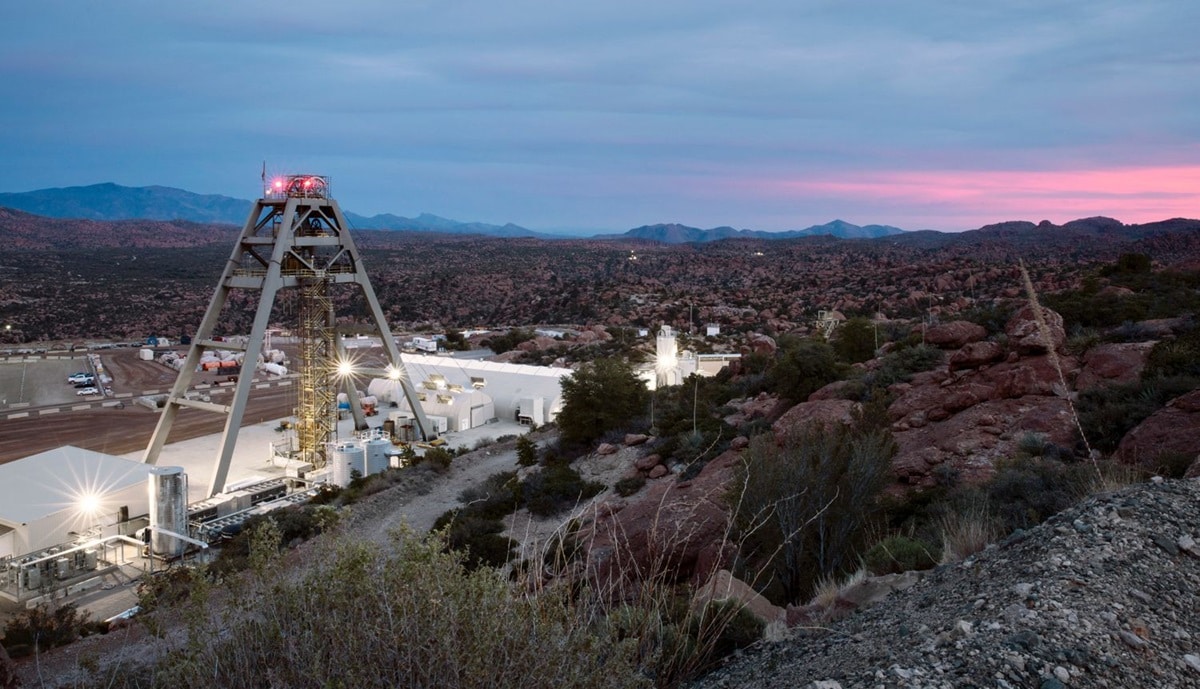
Resolution is one of the largest undeveloped copper projects in the world and has the potential to become the largest copper producer in North America. Unlike other copper mines, the Resolution resource is high-grade, vast, and deep underground. /29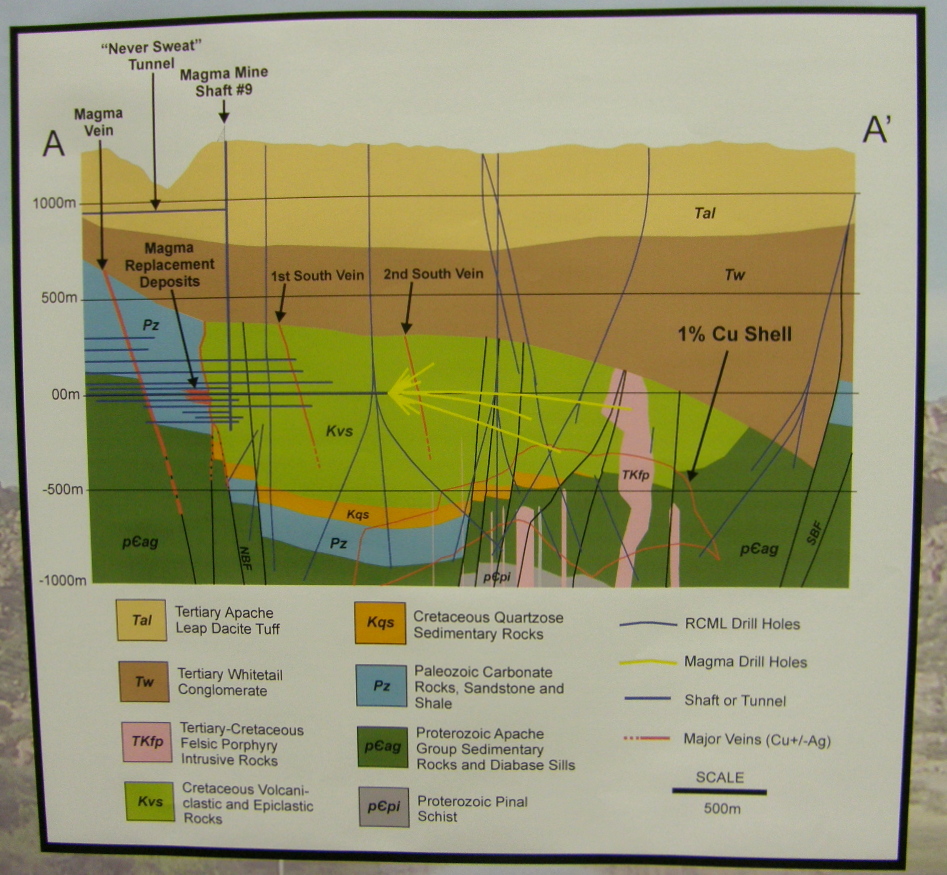
Naturally, the same groups frantic to stop Climate Change via massive deployment of wind/solar/batteries came out in force to SUPPORT the opening of such a rare, world-class, high-grade copper resource. Well, not so much.🤷 /30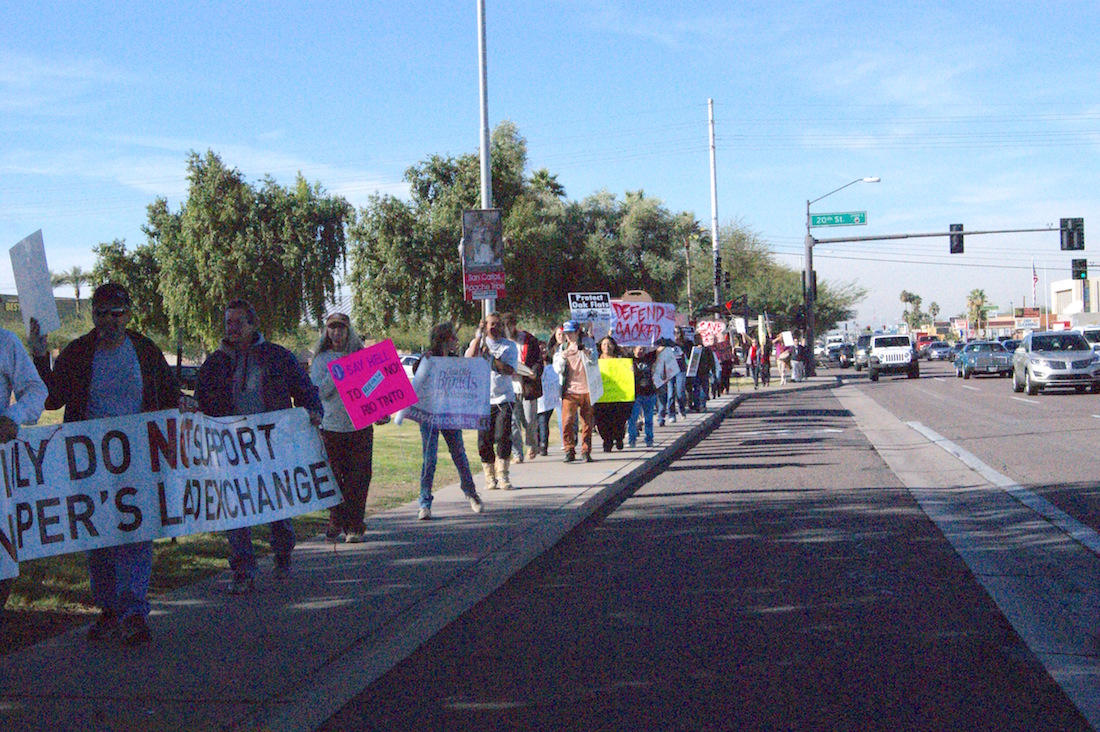
No disclaimer required. I have no direct or indirect relationship with Kennecott, Resolution Copper, or the copper industry. This thread is based solely on my personal observations and experience. It's all public information. /31
Because domestic production of anything is almost impossible, society outsources extractive activities, resulting in even greater CO2, GHG, and FF impacts. Impressive! Why is China building new coal plants like crazy? To build our Windmills! /32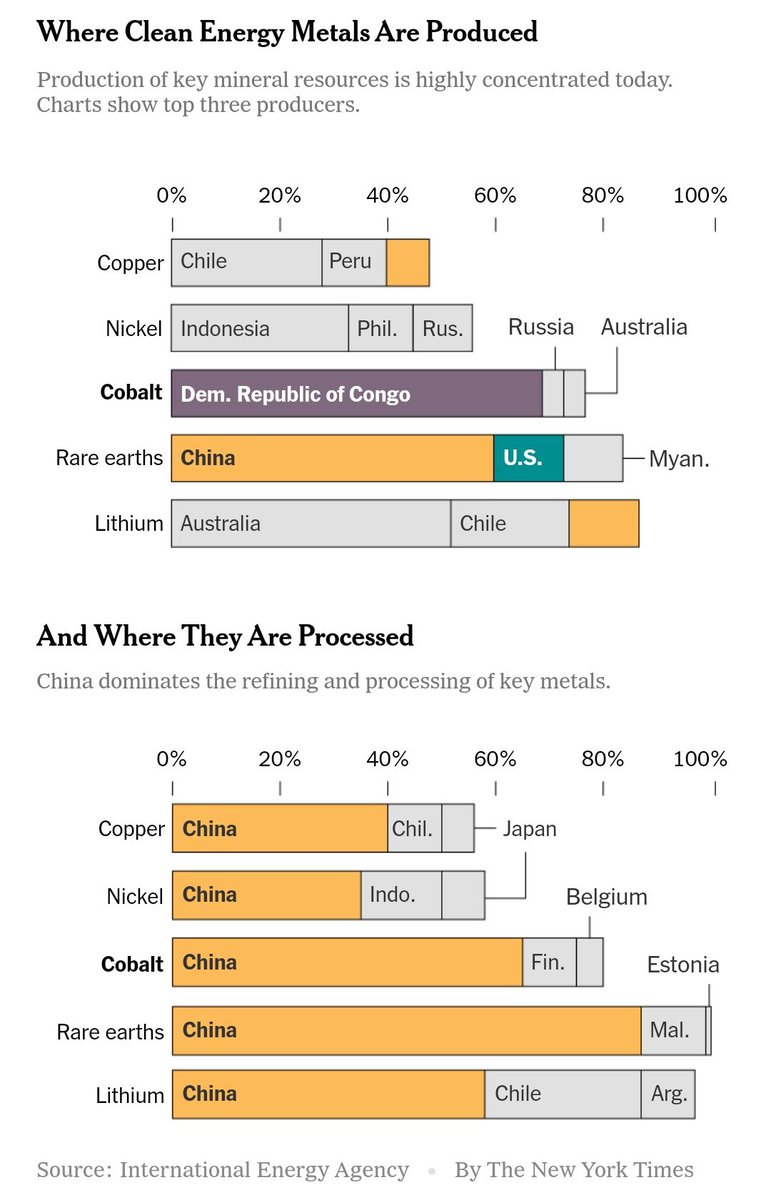
At the end of this chaos we finally get beautiful, idyllic wind turbines, churning away to save humanity from the effects of the impacts that went into making. Turbines don't last that long. New ones will be needed ad infinitum. Where will we get the copper? /33
Best part is that while the turbines ARE working, they produce absolute garbage, low-quality, low-value electric energy, even on scale (chart below is all of Europe over the past 6 months). All the turbines in Europe together are equivalent to 0 nuclear/coal/gas power plants. /34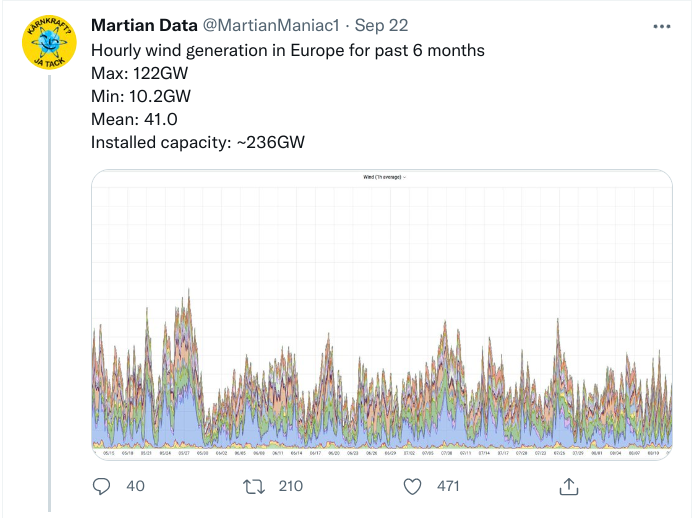
Fast-spectrum, non light water nuclear power reactors such as the Natrium plant planned for Kemmerrer, Wyoming @TerraPower and @gehnuclear is, without compare, a superior energy generation technology to anything wind/solar/batteries can offer. And it's on the Kennecott Grid! /35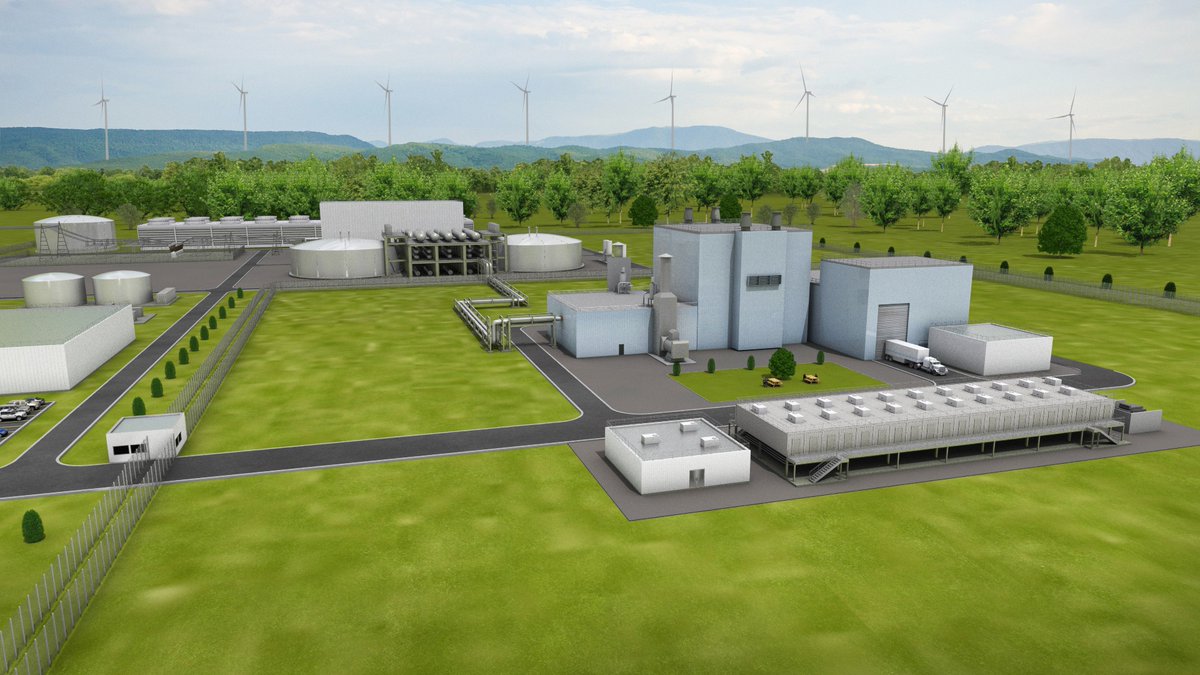
@mentionsI highly endorse podcast on the mineral requirements and other real-world implications of energy, wind/solar/batteries: /36

@mentionsI also highly endorse and her work, Shorting the Grid. Wind/solar/batteries are a farcical Rube Goldberg contraption. Just ask any grid operator. /37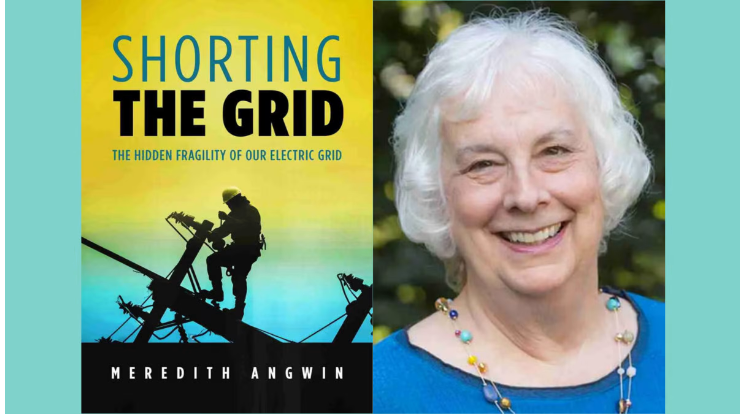
@mentionsUtah is home to significant black wax crude resources. There are several refineries near Kennecott. It's a good thing because Kennecott alone consumes millions and millions of gallons of diesel fuel, gas, kerosene, propane, etc. Otherwise, such would be imported. /38
@mentionsThe people who object most to the oil refineries are the same people who advocate the most for wind/solar/batteries to clean up our air pollution caused in large part from producing the copper required to make the magic air pollution cleaners. /39
@mentions"and that's just the copper." Correct. The same applies to the other inputs--almost hopelessly dependent on fossil fuels and dispatchable electric energy. /40
@mentionsBut there is hope. France showed the way a generation ago and decarbonization was just coincidental. France needed the energy. 2022 nuclear tech is way better. /41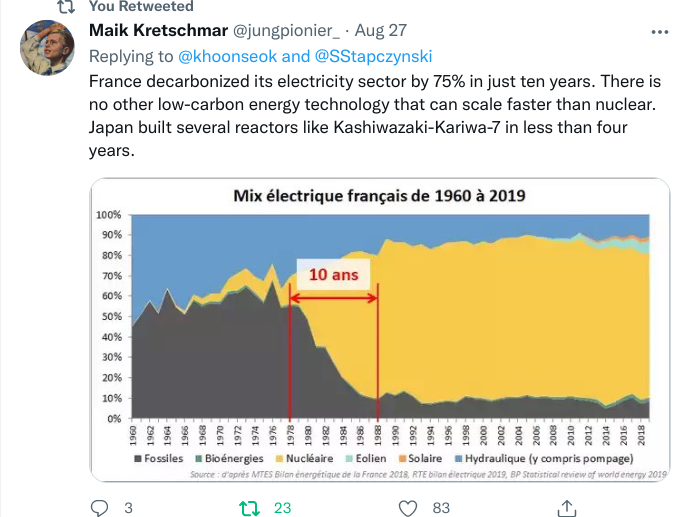
@mentionsFrance overbuilt and had to scramble to find buyers and to electrify everything. That's real economic growth. Imagine that! Abundant, affordable energy FIRST; electrify everything SECOND. Today it's energy poverty first then electrify everything. Smart! /42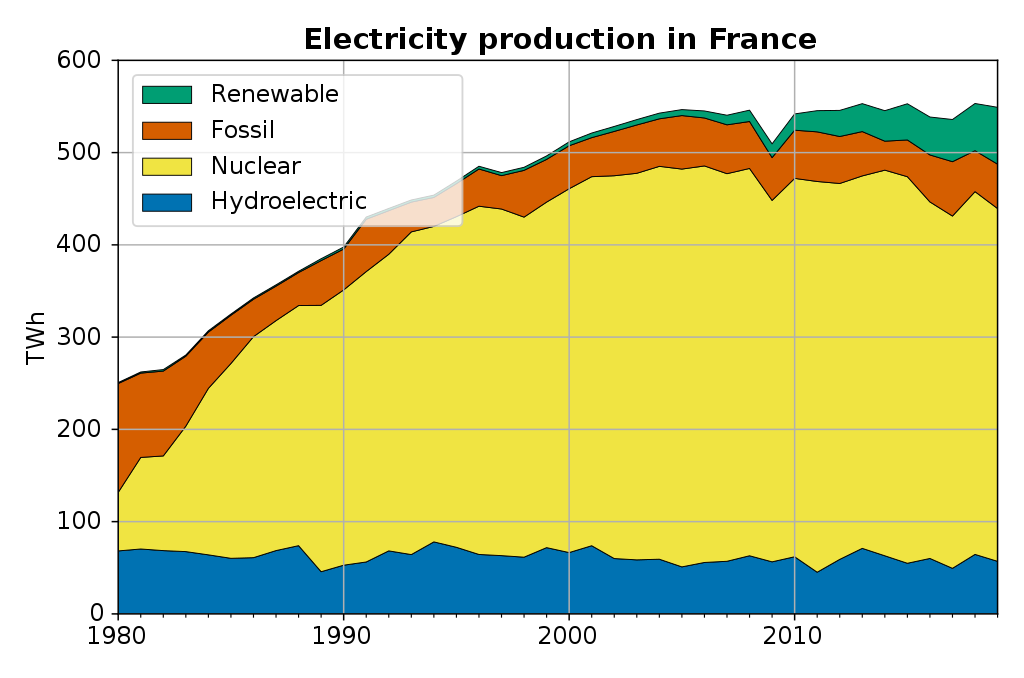
@mentionsBefore gaZprom rigged things, Germany was on its way, too. /43
@mentionsBack to only the best virgin copper cathode (99.9% purity) for wire - it applies to ALL electric motors. EVs. Pumps. /44 h/t:
There are other world-class copper resources, such as the Pebble Mine proposal in Alaska and Greenland has significant resources. Naturally, the environmental groups supporting endless subsidies for magic wind/solar/batteries oppose any such project. /45
Very soon we will find ourselves mining the sea floor to recover low-grades of minerals. Resolution Copper, Pebble Mine, Greenland - those projects are DOA. Yet the world's governments are set to spend trillions more on wind/solar/battery Rube Goldberg farce systems. /46
I'm not sure where we will get the copper for everything else. /47
Nuclear energy uses only de minimis volumes of copper and other mineral resources. Fast-spectrum reactors operate at very high temperatures and implement a much more efficient fuel cycle than LWRs. /48
Fast-spectrum #Nuclear tech is transformational. Russia just loaded up its reactor with 60% SPENT NUCLEAR FUEL to burn up long-lived transuranics and get enormous thermal value. The USA needs the Versatile Test Reactor ASAP. world-nuclear-news.org/Articles/BN-80… /49

The USA is decades behind Russia in deploying non light-water reactors, which have amazing advantages. But no such reactor exists and the USA needs to test fuel assemblies, components, materials. Hence, the VTR /50
Naturally, Congress has run out of money to fund the VTR. They spent our money on wind/solar/batteries. Yet the VTR will put the USA as the world leader in fast-spectrum reactor tech. The investment will be repaid a hundred fold in the next decades. /51
Hard to imagine that you can't create wind/solar/battery infrastructure using garbage power made by wind/solar/battery tech. Fossil Fuels Forever. Just imagine the inflation caused by all this short-lived equipment competing for resources like copper! /52


