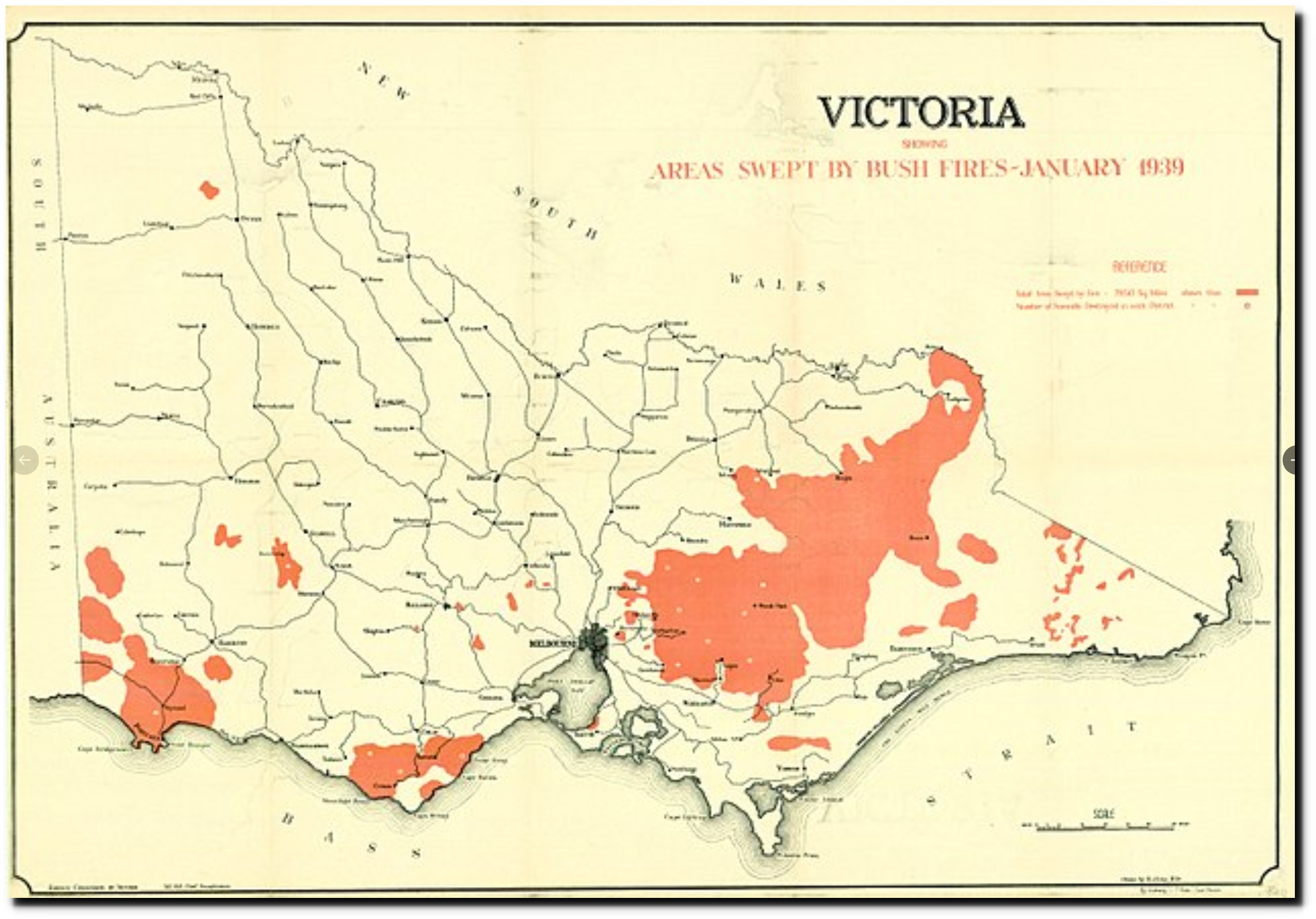
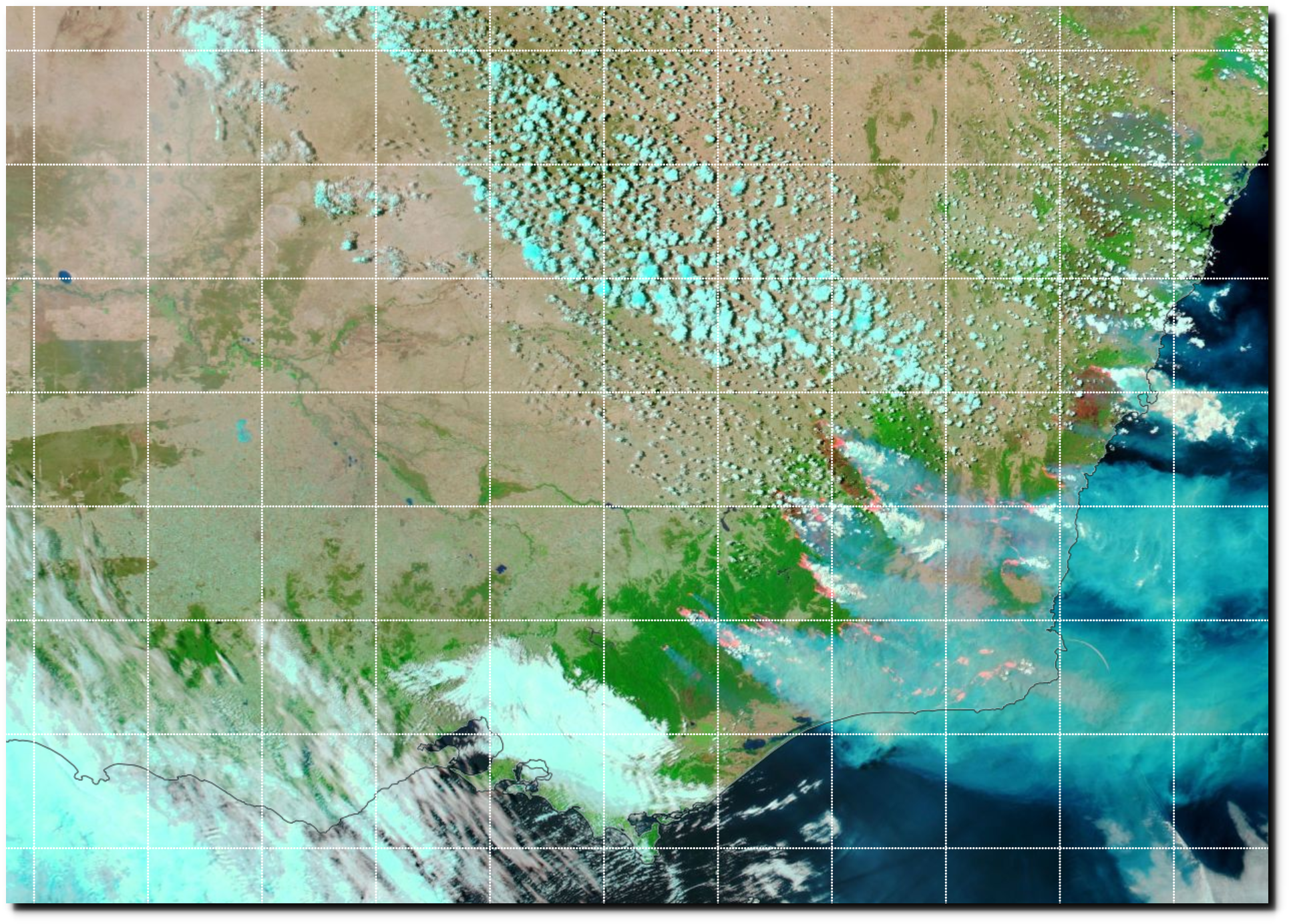
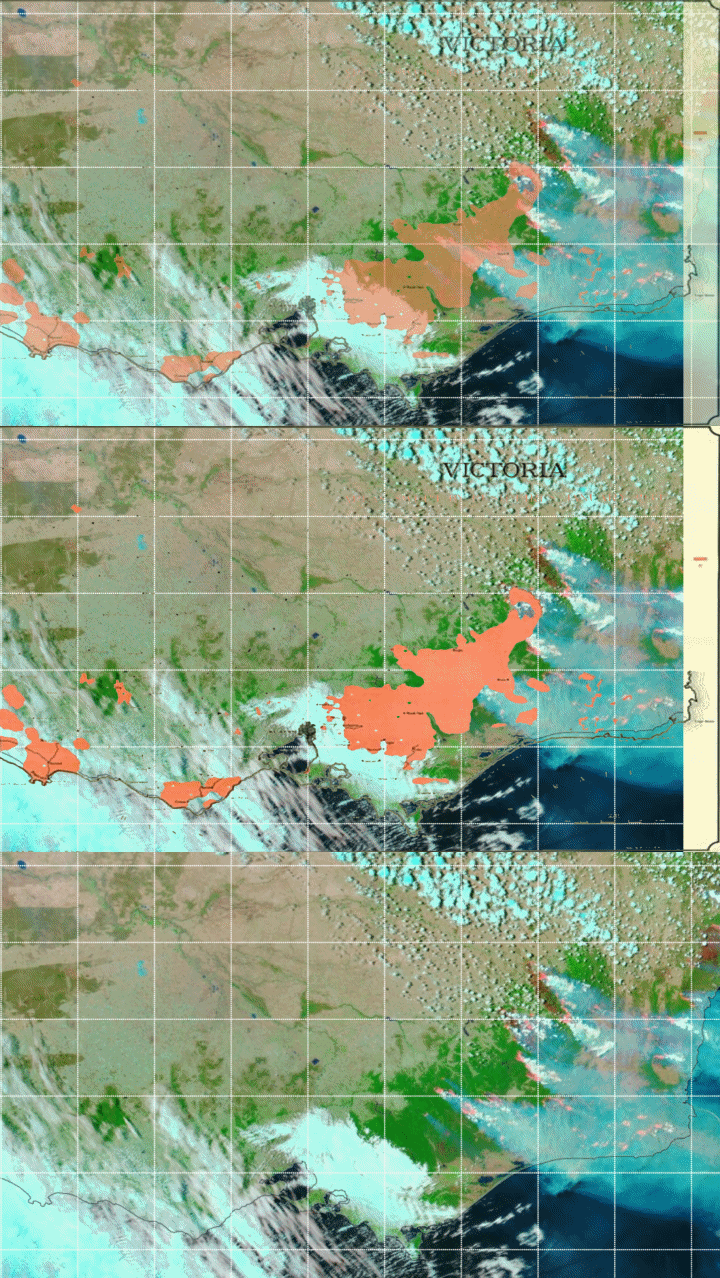
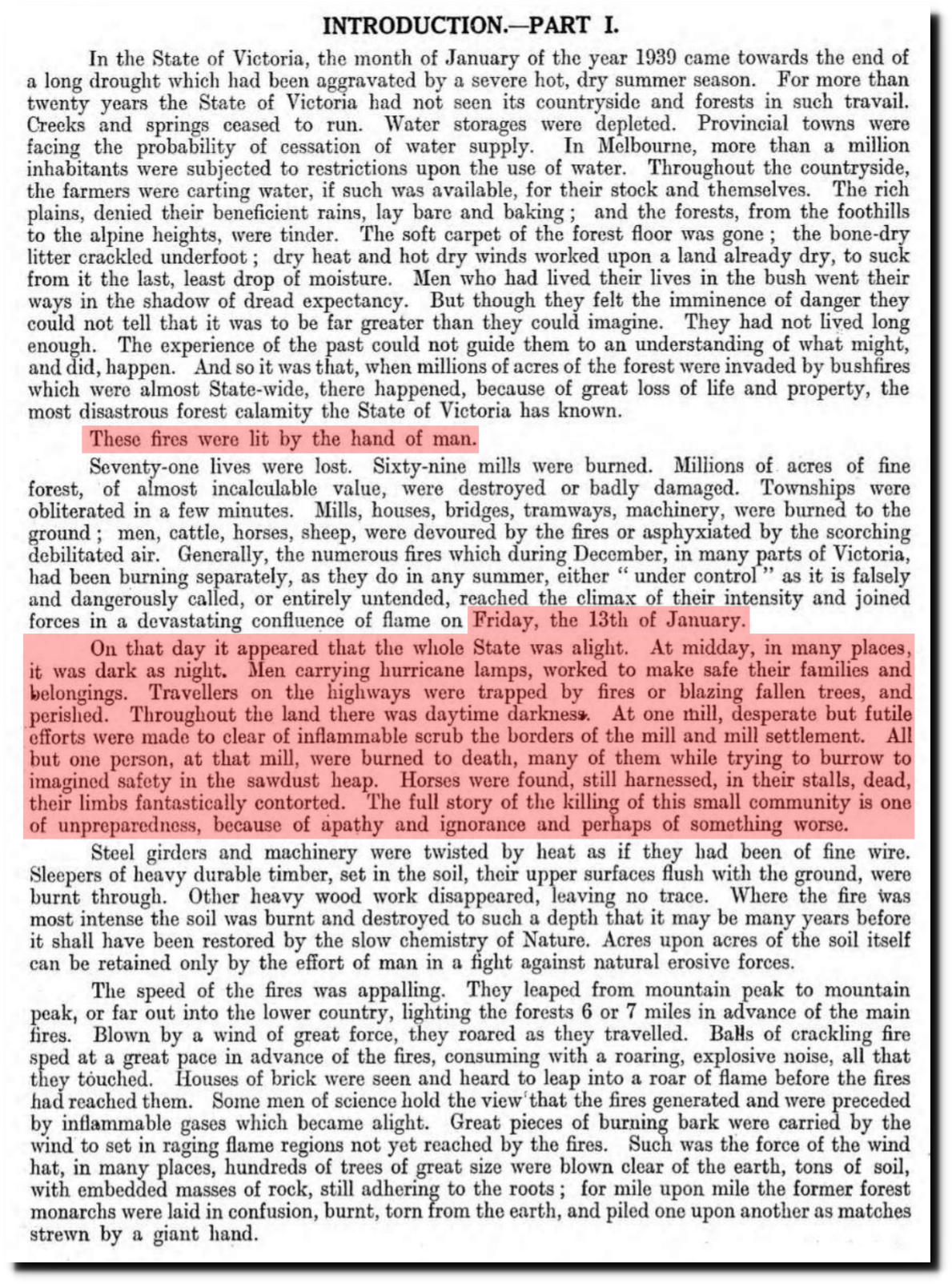
Nice article by Michael Shellenberger in Forbes:
How To Leave Our Children A Better World
It is conventional wisdom that we are leaving our children a natural environment that is in far worse shape than the one we inherited from our parents. A new study even finds that many young people may not have children for fear of climate change.
But on most environmental metrics things are getting better not worse. Carbon emissions may have peaked globally, said Goldman Sachs
...
There remain serious environmental problems, and climate change is not without its risks. Deforestation and other forms of habitat destruction in tropical nations threaten species. We are over-eating fish from one-third of the world’s stocks, a tripling since 1975. And warmer temperatures threaten to dry out more trees in more forests areas around the world.
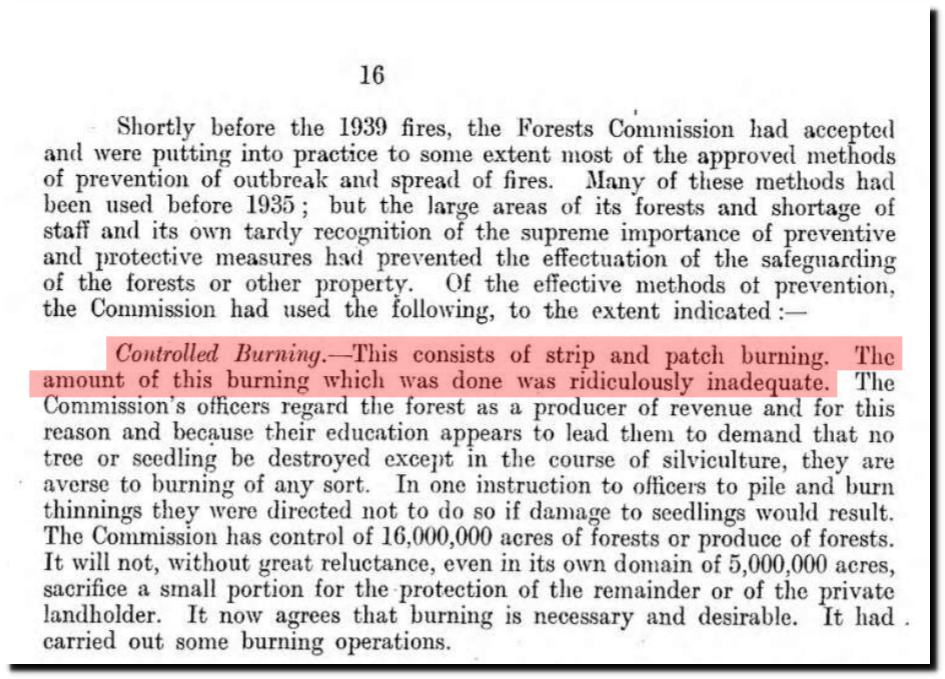
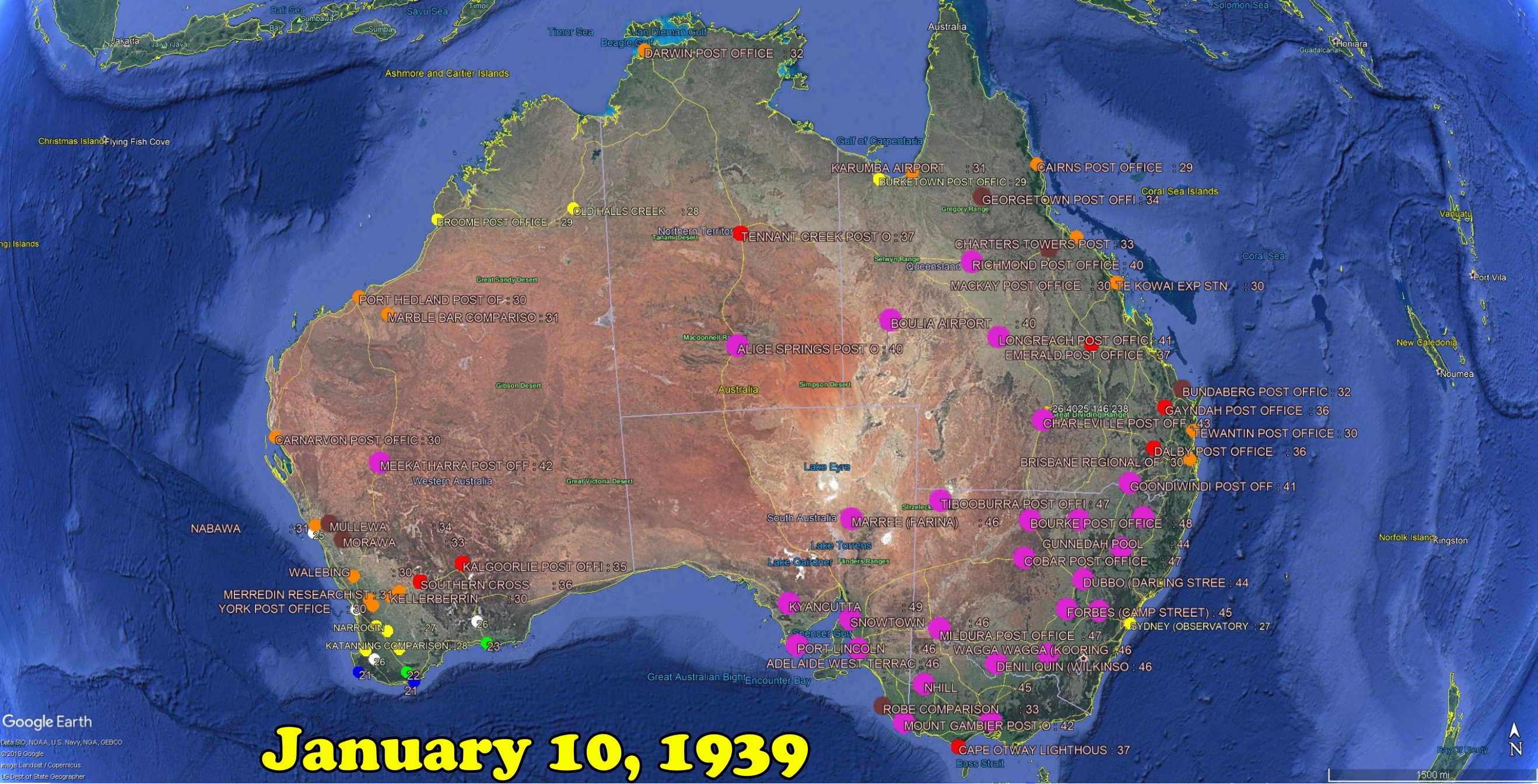
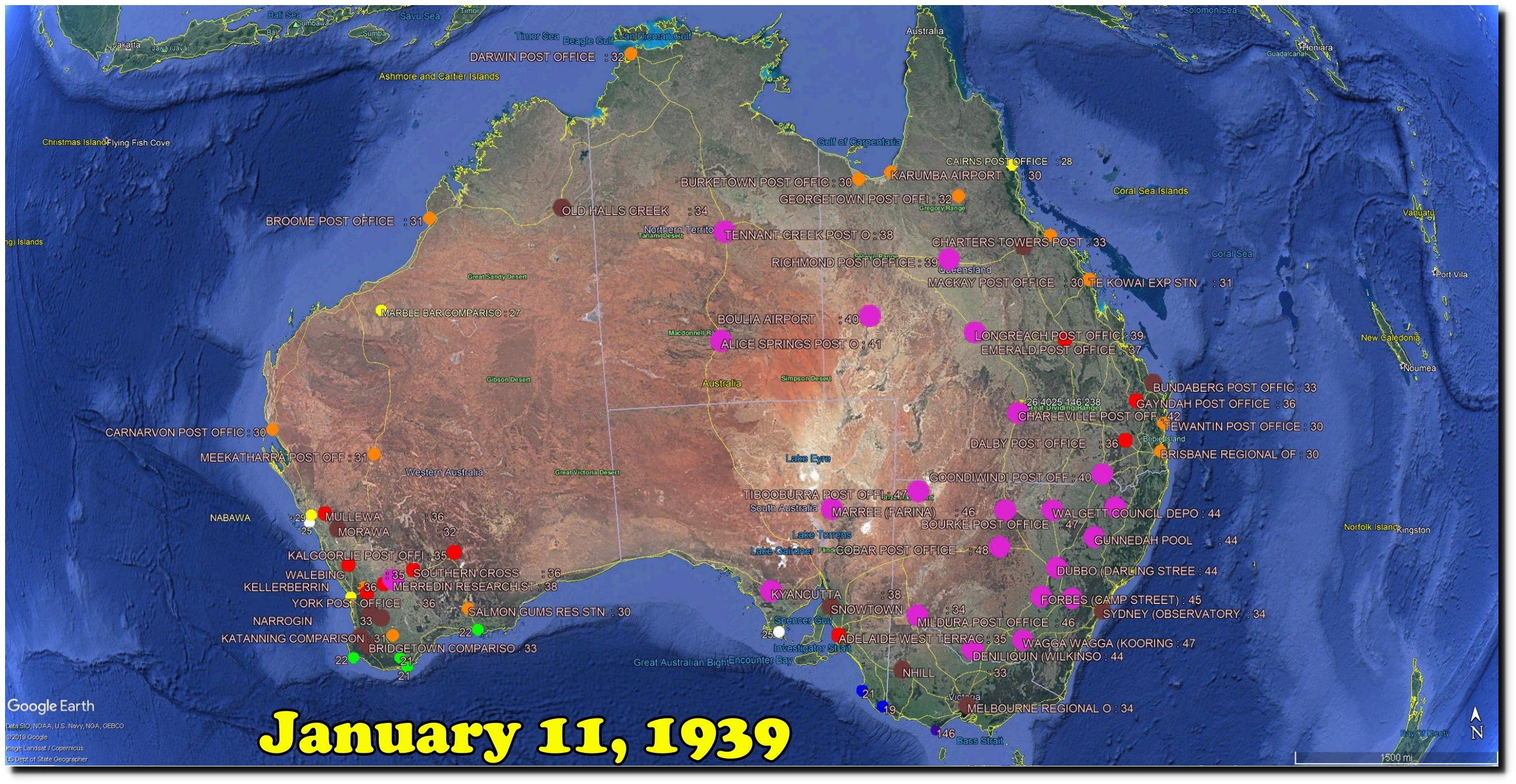
But we are addressing these problems. There are 25 times more protected areas for wildlife in the world today than there were in 1962. We have dramatically reduced the environmental impacts, while raising nutritional quality, of farmed fish, which are replacing wild fish in our diets. And California proved in August and September that well-managed forests turn destructive high-intensity fires into healthy low-intensity ones.
The natural environment in the past was in far worse shape than it is today. In the 19th and early 20th Century, people in Europe, the Americas, and Asia nearly hunted whales and other species to extinction, deforested their landscapes for low-efficiency farming, and used trees for cooking and heating, not as habitat for wildlife. The air was constantly smoky, first from burning wood, and then from burning coal.
Our ancestors saved nature by not using it. They reduced the hunting of whales, sea turtles, and elephants after switching to petroleum, vegetable oil, and petroleum-based plastics. They made agriculture more efficient, which allowed for the return of grasslands and forests. And they switched from wood to coal and then to natural gas, resulting in far less pollution.
...
Why are so many environmental trends going in the right direction? The short answer is technological progress, which makes our use of natural resources more efficient. Our smartphones have radically dematerialized our lives, replacing newspapers, cameras, and stereo systems. We use tractors, irrigation, and fertilizer to grow more food on less land, leaving more room for forests and other habitats for endangered species. And we use fossil fuels and nuclear instead of land-inefficient renewables.
The greatest threat to these trends come from organizations that most raise the alarm about climate change and other environmental problems. NGOs like Greenpeace and Sierra Club have persuaded the World Bank and others to stop financing efficient farming and cheap and reliable electricity in poor and developing nations and instead fund unreliable, land-intensive, and expensive renewables.
But resistance is emerging. Mayan Indians are opposing a million-panel industrial solar project that the Mexican government and French oil giant Total is trying to impose. In India, camel farmers are seeking to block transmission lines that threaten the critically endangered Indian bustard. In Taiwan, conservationists are fighting to protect the nation’s few wetlands from industrial solar. And in Sweden, indigenous reindeer farmers are fighting industrial wind turbines.
How can we leave our children a better world than the one we inherited? A good start would be to help them understand how we all came to believe the environment was getting worse when in reality it’s gotten so much better.